Welding is where individual components become a finished assembly, and the choice of process has a direct effect on strength, appearance, distortion and cost. The three methods most widely used in sheet metal fabrication — MIG, TIG and laser welding — each have distinct strengths. Understanding them helps ensure the right process is matched to the right component.
MIG welding
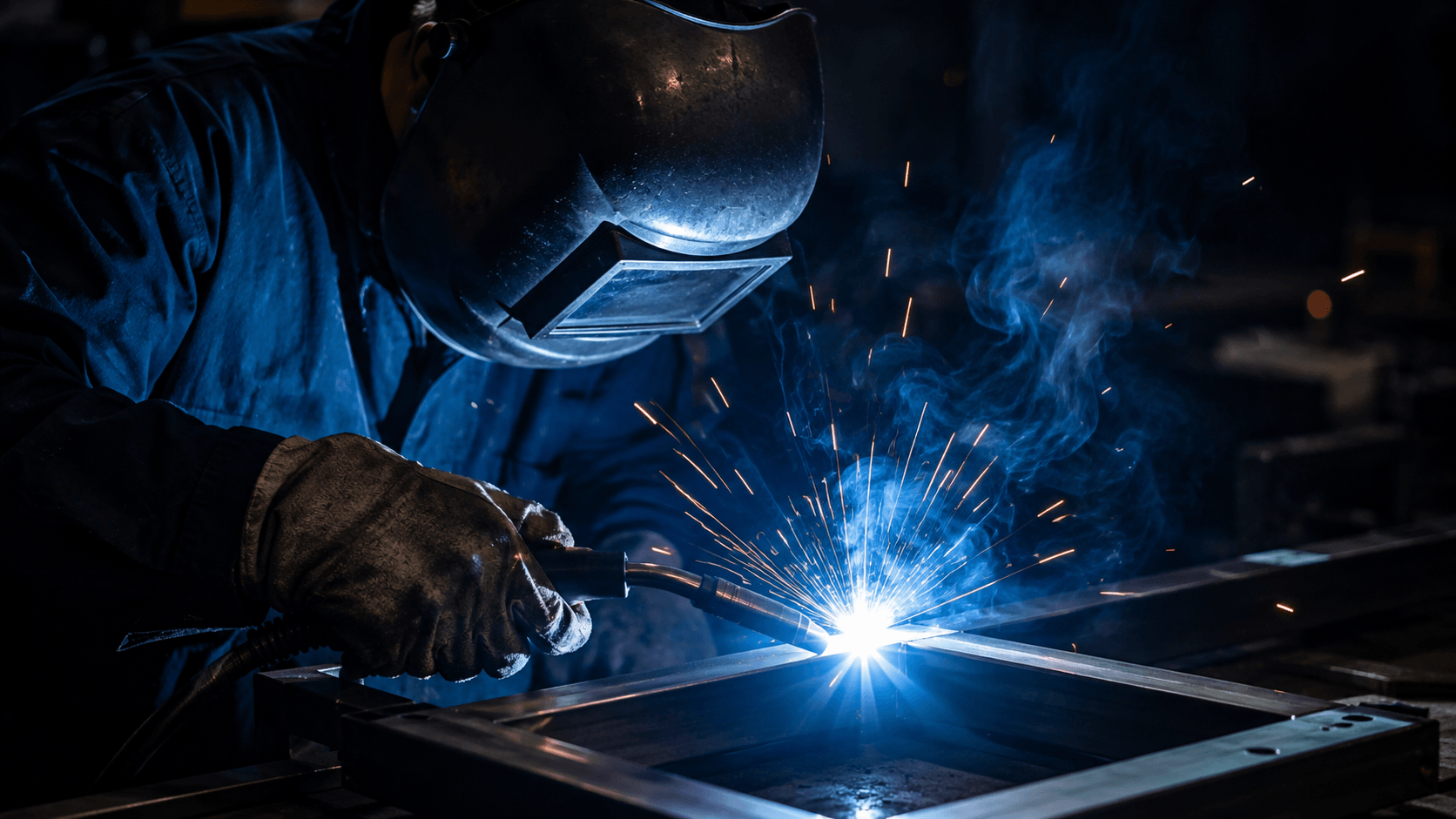
MIG (metal inert gas) welding feeds a continuous wire electrode through a torch, shielded by an inert gas. It is valued for its speed and versatility.
- Strengths: fast, efficient on thicker sections, well suited to production volumes.
- Best for: structural assemblies, brackets and general fabrication where throughput matters.
TIG welding
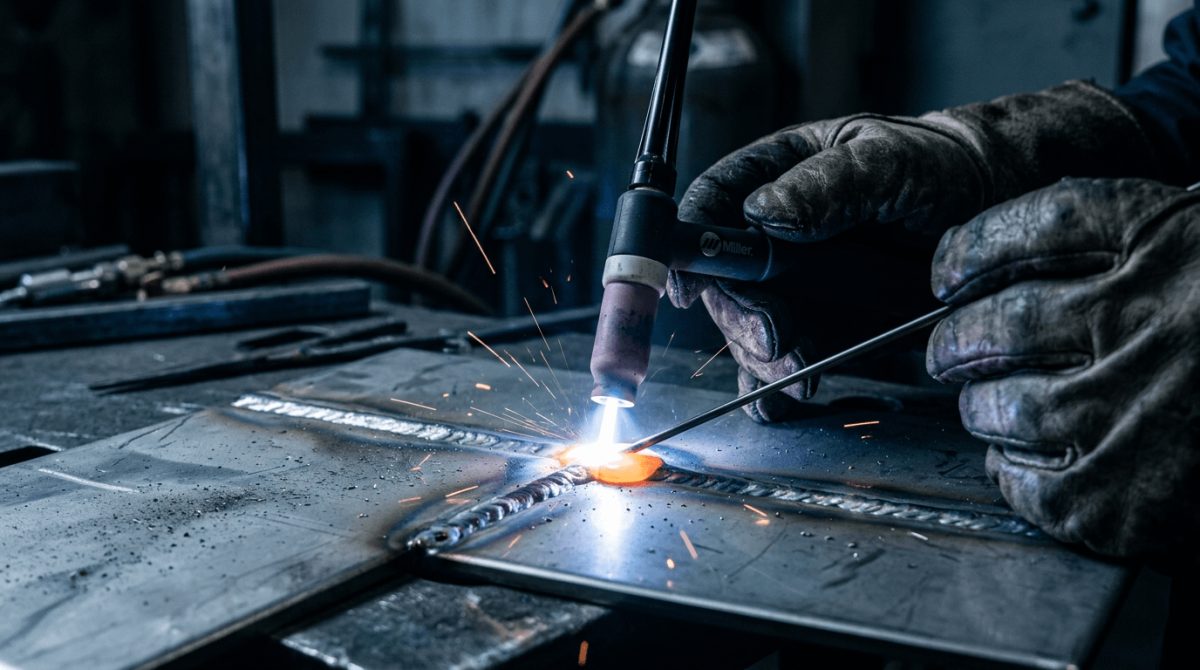
TIG (tungsten inert gas) welding uses a non-consumable tungsten electrode and offers a high degree of control over the weld pool.
- Strengths: precise, clean, produces high-quality welds with excellent appearance.
- Best for: thinner materials, stainless steel and aluminium, and visible welds where finish is important.
Laser welding
Laser welding concentrates energy into a narrow, focused beam, producing a deep, precise weld with a small heat-affected zone.
- Strengths: minimal distortion, fine and consistent welds, high speed on suitable joints.
- Best for: precision assemblies and applications where distortion control and a clean appearance are priorities.
Factors that guide the choice
Selecting a welding process is rarely about one method being universally superior. The right choice depends on:
- Material and thickness — thin, delicate sections favour TIG or laser; heavier sections often suit MIG.
- Appearance requirements — visible joints benefit from the cleaner finish of TIG or laser.
- Distortion sensitivity — a smaller heat-affected zone reduces movement in precision parts.
- Volume and throughput — production quantities may favour speed and consistency.
The objective is a sound, repeatable joint that meets the design intent — achieved by matching the process to the material, geometry and finish required.
Welding at Fabronix
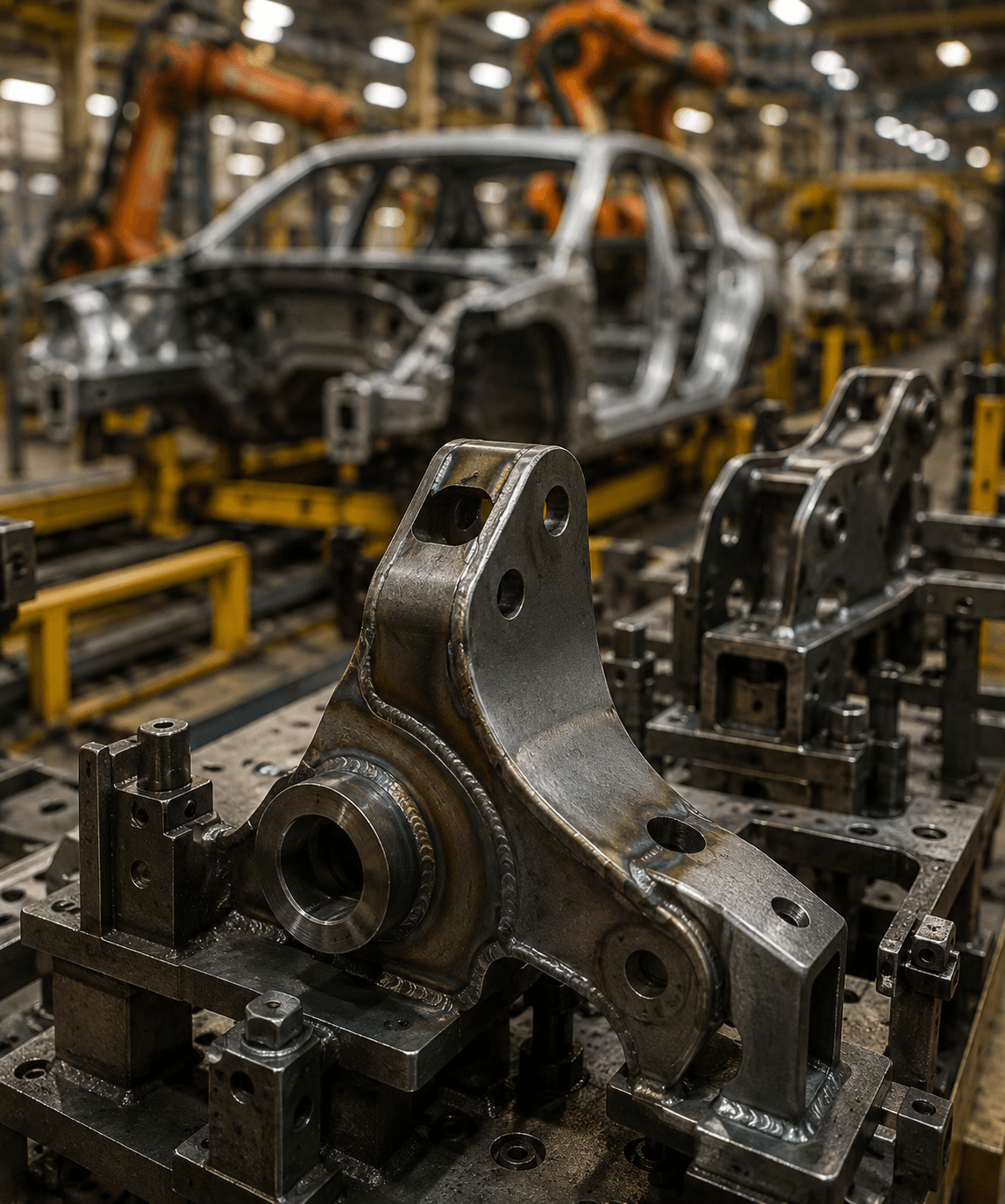
Fabronix Laser Tech provides MIG, TIG and laser welding, carried out with equipment from established manufacturers including Fronius, and supported by purpose-made jigs and fixtures that ensure repeatable, distortion-controlled results. Sub-assembly and finishing operations such as grinding and polishing are also available, allowing components to be delivered ready for the next stage of your process.
If your project involves welded assemblies, our team can advise on the most suitable process during the manufacturability review. Share your drawings through our enquiry form to start the conversation.
Have a drawing you want reviewed?
Send it over and we will review it for manufacturability and respond with a quotation.
Get a Quote