Selecting the correct material is one of the earliest and most consequential decisions in any fabrication project. It influences strength, corrosion resistance, weight, appearance, machinability and cost. This guide summarises the characteristics of the three metals most commonly requested in sheet metal work and outlines where each is typically the best fit.
Mild steel
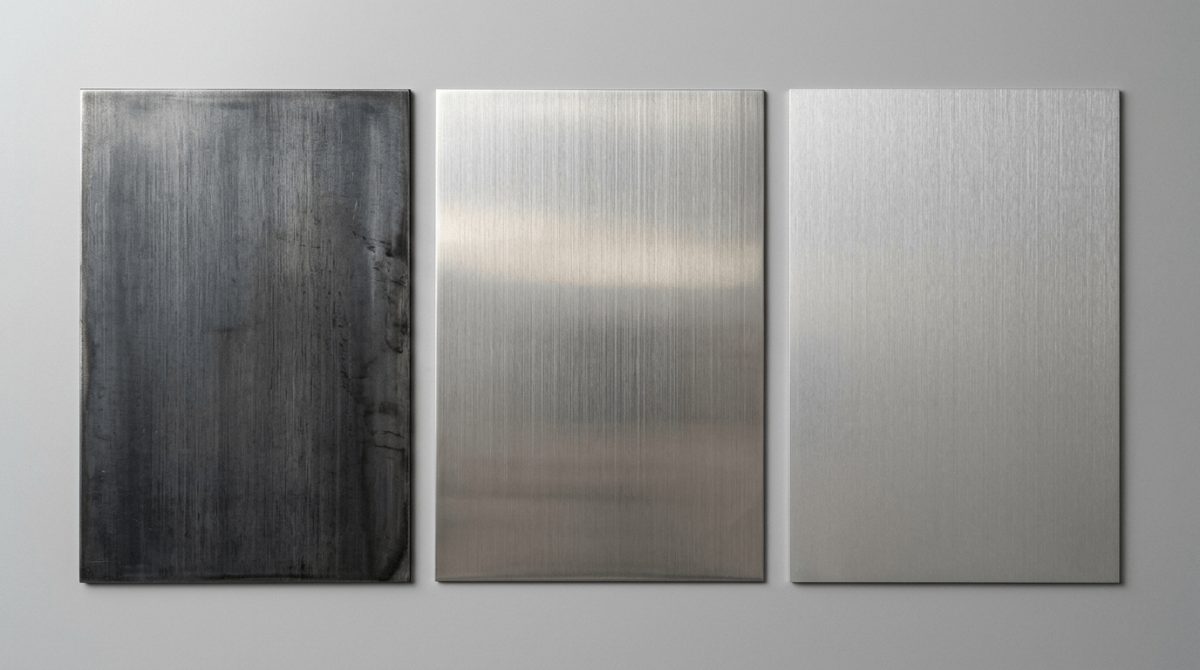
Mild (low-carbon) steel is the workhorse of general fabrication. It offers good strength, excellent weldability and formability, and it is the most economical of the three materials discussed here.
- Strengths: cost-effective, strong, easy to cut, bend and weld.
- Considerations: it corrodes without a protective finish such as paint, powder coating or galvanising.
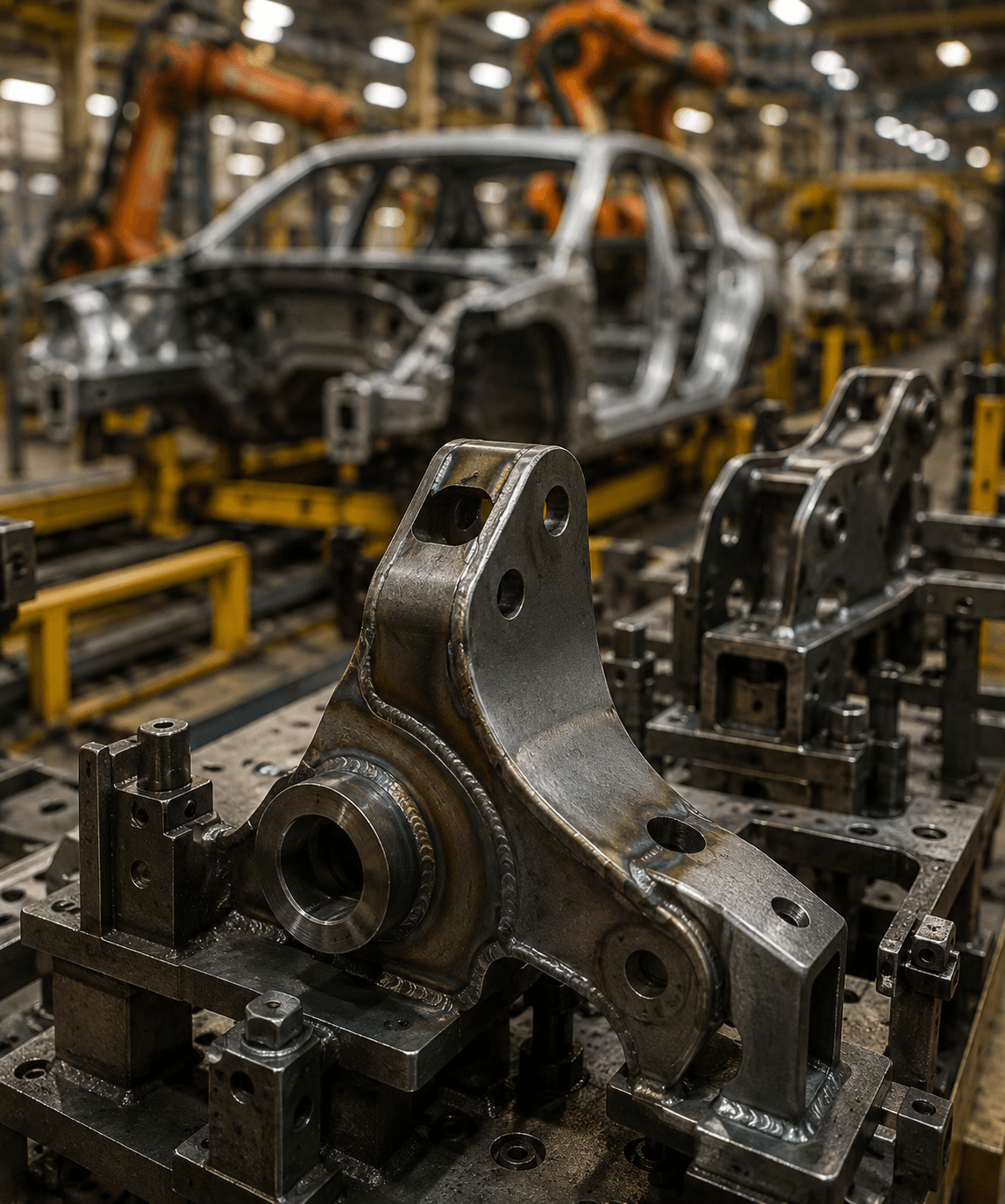
- Typical applications: structural frames, brackets, enclosures, agricultural and construction components.
Stainless steel
Stainless steel is specified where corrosion resistance, hygiene or appearance are priorities. Its chromium content forms a passive layer that resists rust, and it retains strength across a wide temperature range.
- Strengths: corrosion and stain resistance, hygienic, durable, attractive finish.
- Considerations: higher material cost, and it requires appropriate handling to preserve the surface.
- Typical applications: pharmaceutical and food-and-beverage equipment, water treatment, architectural features.
Aluminium
Aluminium is chosen where a favourable strength-to-weight ratio matters. It is roughly one third the weight of steel, resists corrosion naturally and conducts heat well.
- Strengths: lightweight, corrosion resistant, good thermal conductivity.
- Considerations: lower stiffness than steel, and it demands specific techniques for cutting and welding.
- Typical applications: transport components, heat sinks, panels where weight reduction is valuable.
A simple selection framework
When narrowing down a material, it helps to rank your priorities in order:
- Is the part load-bearing? Steel usually offers the best value for strength.
- Will it be exposed to moisture or chemicals? Stainless steel or a protected mild steel is appropriate.
- Is weight critical? Aluminium is worth evaluating.
- Does appearance matter in the finished product? Stainless steel and aluminium present well without additional coating.
There is rarely a single correct answer; the best choice balances performance requirements against budget and finishing needs.
How Fabronix can help
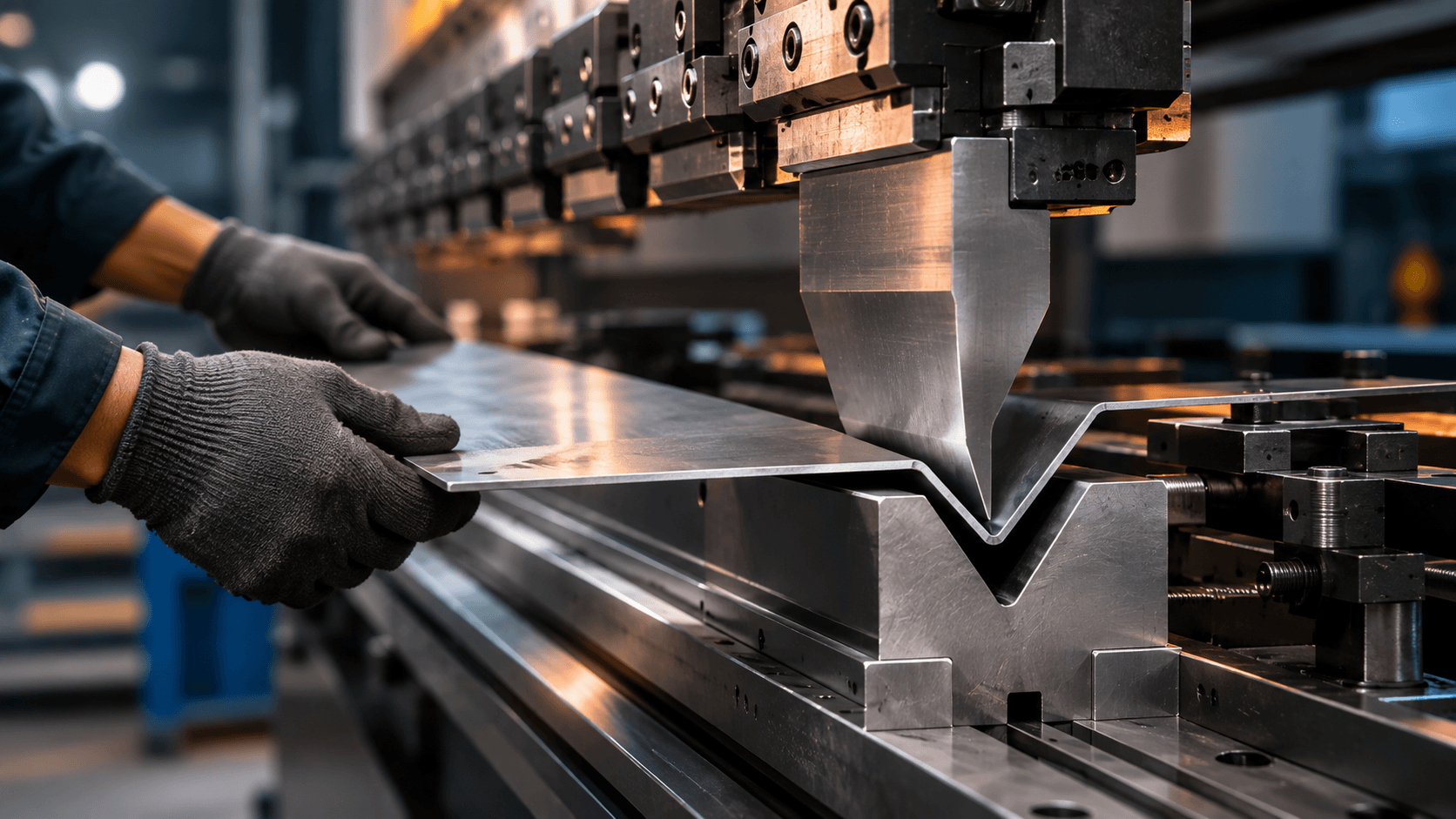
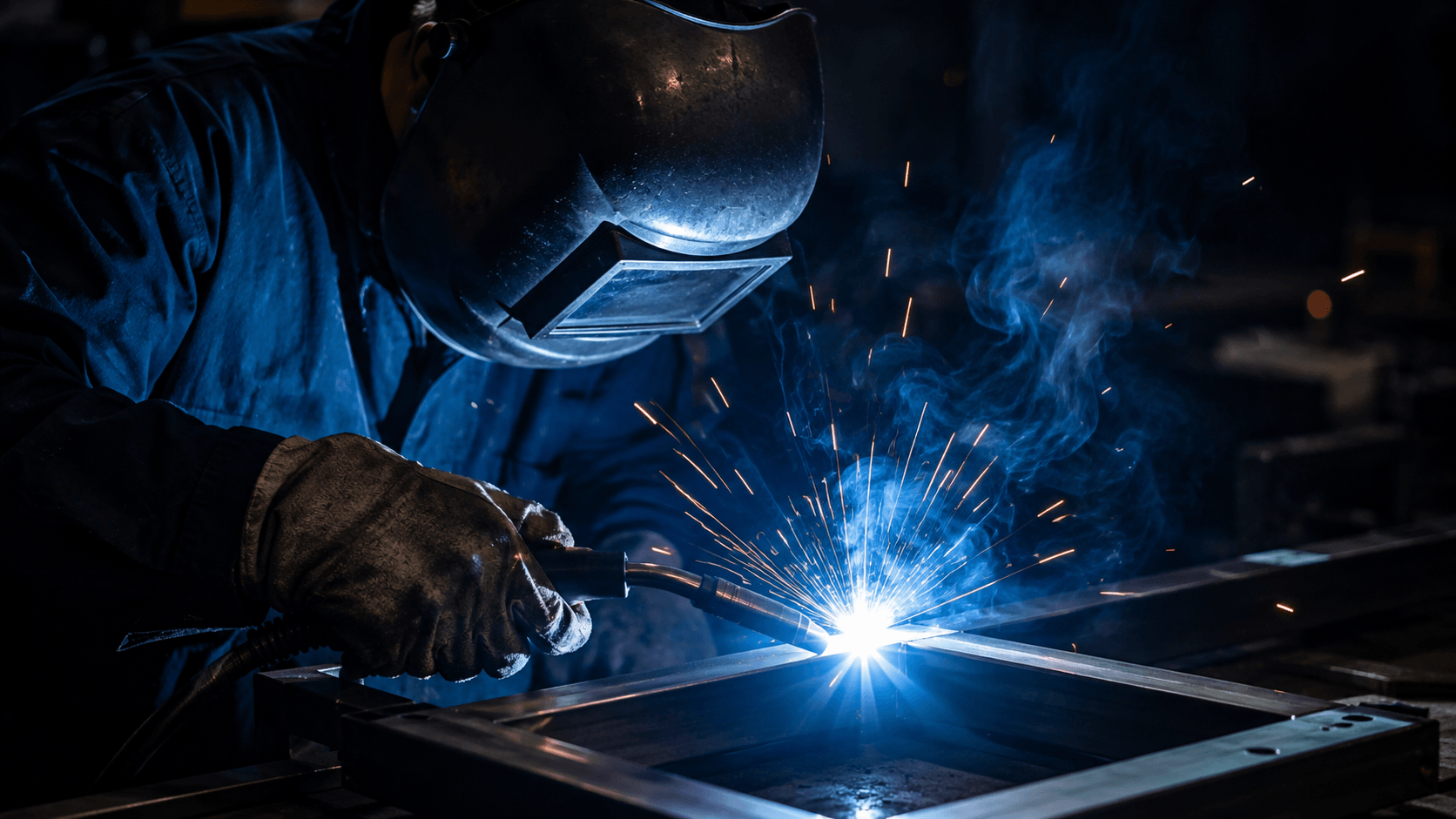
Fabronix Laser Tech processes mild steel, stainless steel, aluminium, brass and copper under one roof, combining fiber laser cutting, CNC press-brake bending and welding. Because every enquiry is reviewed for manufacturability, we are able to advise on material grade, thickness and finishing early in the process. If you are unsure which material suits your application, share your drawing or requirements with our team and we will be glad to guide the selection.
Have a drawing you want reviewed?
Send it over and we will review it for manufacturability and respond with a quotation.
Get a Quote